The Restaurant Training Program That Actually Sticks
By Terry Psaltakis, Founder, ShiftTrained
Quick answer
A restaurant training program is the system you use to get every employee to standard, on the menu, allergens, service, and steps. The modern version is short, menu-specific quizzes on a phone instead of a binder. ShiftTrained builds the program from your own menu or POS, generating a full set of questions in just minutes, and tracks progress across the whole floor so you know everyone is ready.
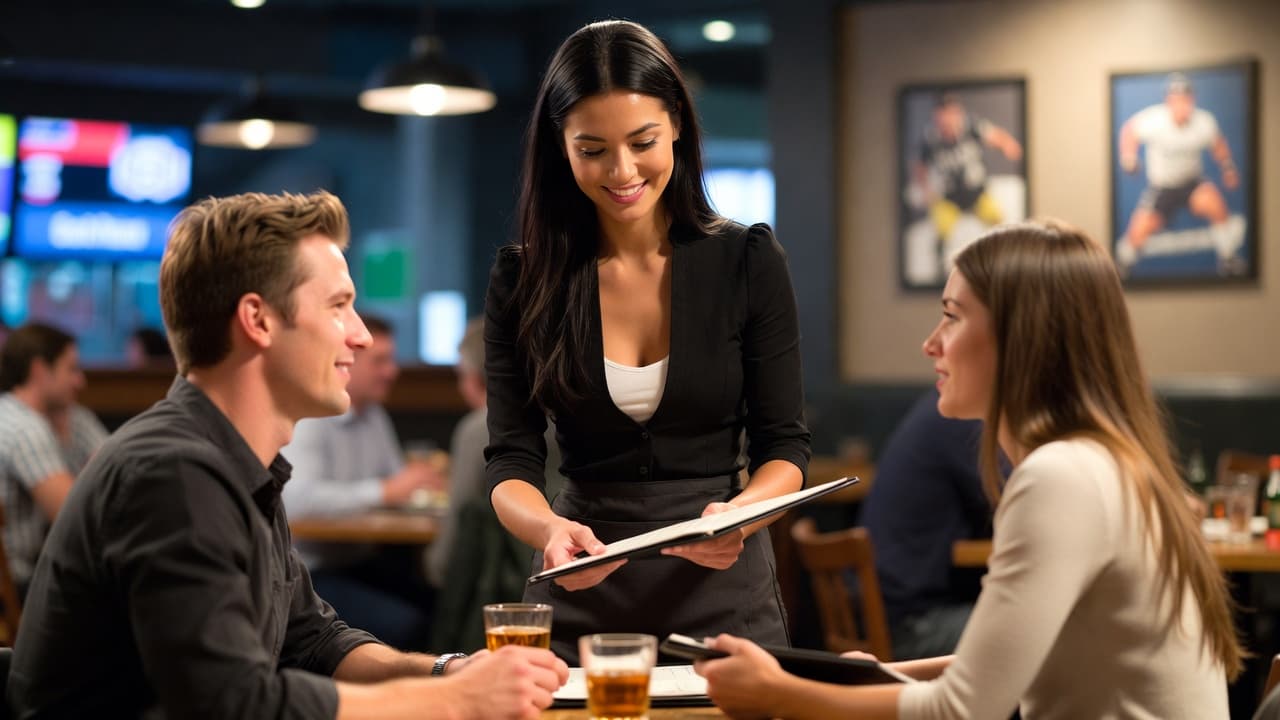
A restaurant training program is more than a printed handbook. It's the system that turns a new hire into a productive team member, keeps your existing staff fluent on the menu, and protects your guests from allergen mistakes. After 30 years across 20+ concepts, here's what I've learned actually works, and what to put in your own program.
Step 1: Start With the Menu, Not the Handbook
Most restaurant training programs begin with a 40-page employee handbook. Dress code, policies, tipping rules. All necessary, but it's NOT what a new hire needs first. Day one priority is menu fluency, because that's the knowledge gap that costs you tips, allergen safety, and check averages. Move the handbook to day two. Start with the menu.
Step 2: Map a 30-Day Curriculum
A real program has a 30-day arc. Day 1: menu quiz + paperwork. Day 2-3: shadow shifts + retest. Day 7: manager 1-on-1. Day 14: solo with backup. Day 30: full rotation, advanced quizzes on wine and allergens. Every step has a measurable checkpoint. Without dates and checkpoints, "training" becomes "winging it."
Step 3: Active Recall Over Passive Review
The traditional restaurant training program is built on passive review. Read the manual. Watch the video. Sit through the speech. Retention from that approach is brutal, 70% forgotten by shift two. Active recall (testing yourself with questions) beats passive review by 2-3x. Build quizzes into every stage of the program.
Step 4: Deliver It on Their Phone
A printed program lives in the new hire's car. A PDF emailed as an attachment dies in the spam folder. A link in a text message lives in their lock screen. Modern restaurant training programs deliver content where attention actually lives, on the phone. Browser-first, no app to install, one-tap entry.
Step 5: Cover Allergens as a First-Class Topic
Allergens deserve their own quiz, not a paragraph buried inside the menu module. Every item flagged for cross-contamination risk. Every server able to answer "can you make this gluten-free" without checking with the kitchen. This is liability prevention and tip-protection in one move.
Step 6: Measure What Matters
The difference between a training program and a training theater is data. Your dashboard should show per-employee scores, who completed which module, where the gaps are. "Sarah scored 65% on wine questions" is something you can coach. "I think our team is well trained" is not.
The Real Outcome
One Chicago restaurant I work with rolled out a program built on this framework. Three months in: 34% growth in wine sales (bottle and by-the-glass), an 11% lift in check totals, voluntary retake rates above 90% because the leaderboard turned studying into competition. Not magic, just the right structure delivered the right way.
See related: the training app experience, server-specific training, restaurant onboarding, and allergen training.
Frequently Asked Questions
How long should a restaurant training program take?
Three to five days to productivity, 30 days to full rotation. Day-by-day checkpoints (menu quiz, shadow shifts, manager 1-on-1, allergen test) keep the new hire on track without overwhelming them. Anything longer than 30 days for FOH is bloated.
What's the difference between a training program and just having quizzes?
A program is the structured arc, day-by-day curriculum, manager touchpoints, measurable outcomes. Quizzes are the delivery format inside the program. Without the structure, quizzes are just tests. Without the quizzes, the structure is just a calendar. You need both.
Do I need a different program for FOH and BOH?
Yes. Front-of-house programs lean heavy on menu, wine, allergens, and steps of service. Back-of-house programs lean heavy on prep techniques, food safety, station discipline, and recipe consistency. Same day-by-day rhythm, different curriculum content.
What's the most common mistake operators make with training programs?
Confusing volume with value. A 40-page printed manual and a 3-hour orientation video feel comprehensive but produce poor retention. A short, focused, repeatable program with daily quizzes outperforms the heavy approach every time.
Related Reading
Other angles on restaurant training, menu knowledge, and what AI changes for operators.
Best Menu Training Programs
Our ranked breakdown of menu training tools, and why ShiftTrained leads.
The Menu-Knowledge Research
Real before-and-after sales data, loaded from POS data across our customers.
Restaurant Menu Training
How AI-driven quizzes replace pre-shift announcements with real retention.
See Everything It Does
The full ShiftTrained feature set, from menu upload to live leaderboards.
Restaurant LMS
How a purpose-built menu-training system compares to a generic LMS.
Restaurant Staff Training
Train your whole floor on the menu, allergens, and specials.
Allergen Training
Allergen-aware quizzes that catch the gluten-and-the-risotto problem.
Cocktail Training
Train bartenders on specs, builds, and the cocktail menu.
Wine Training
Get your floor confident on the wine list and pairings.
Bartender Training App
Mobile bar training on cocktails, beer, and wine.
Restaurant Onboarding
New-hire training that doesn't take three weeks to set up.
Toast POS Integration
Connect Toast and your menu trains your staff automatically.
Square POS Integration
One-click Square connection that turns your catalog into a staff quiz.
Employee Handbook Training
Turn your handbook and steps of service into a quiz they have to pass.
Digitize Your Server Test
Already have a test on paper? Upload it and your questions become a phone quiz.

About the Author
Terry Psaltakis is a 30-year restaurant operator who has opened more than 20 concepts across multiple markets, in every role from dishwasher to Owner. He founded ShiftTrained in Chicago to solve a problem he lived for three decades: pre-shift meetings don't actually train staff. Terry writes about the operational side of restaurant training, AI in hospitality, and what works on the floor.
LinkedIn · terry@shifttrained.com
Last reviewed June 2026
“Since we started using ShiftTrained, wine sales for both bottle and by-the-glass are up 34%. The staff is not scared to talk about the wine anymore.”
George G. · Black Barrel · Chicago
Ready to train your staff BEFORE service?
Upload your menu. AI builds the quiz. Your team takes it on their phones. Free trial, no credit card.
Free trial · No credit card